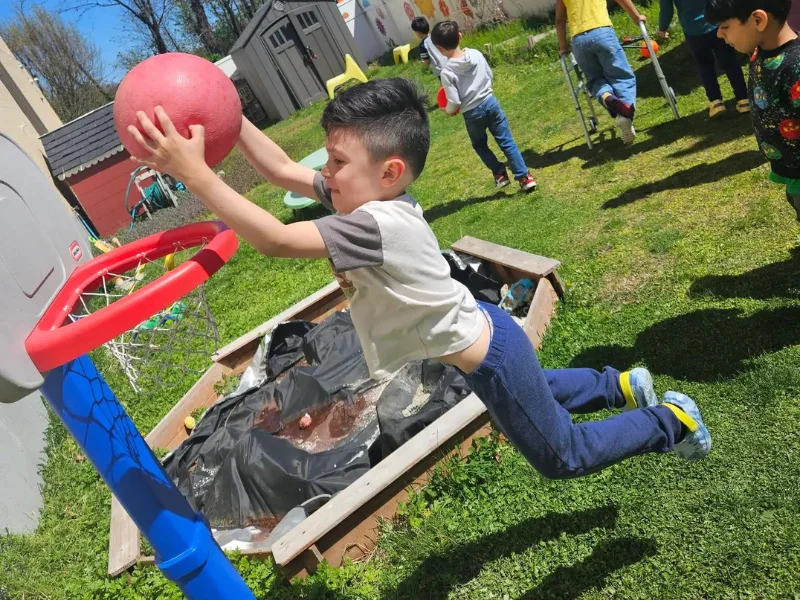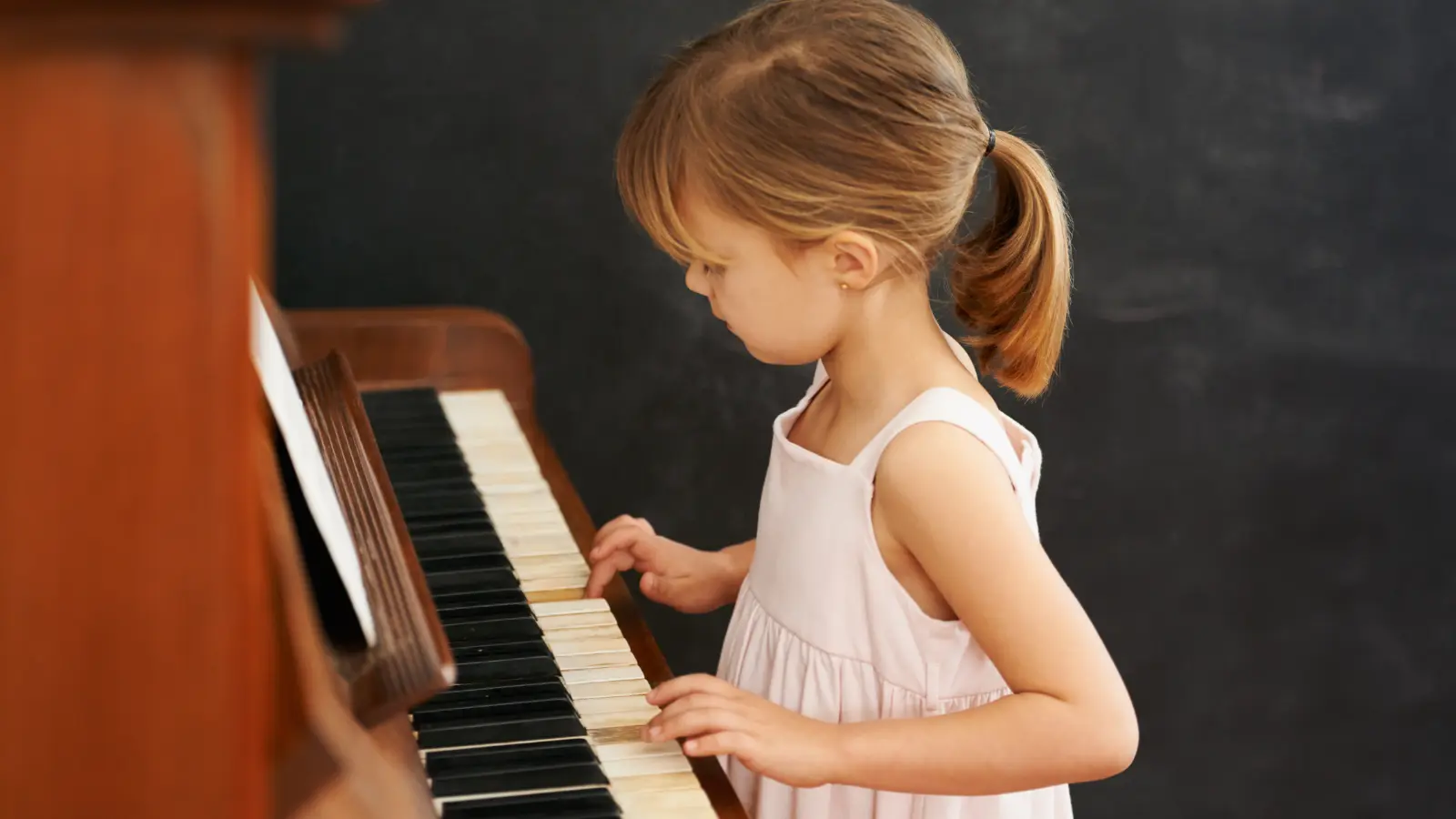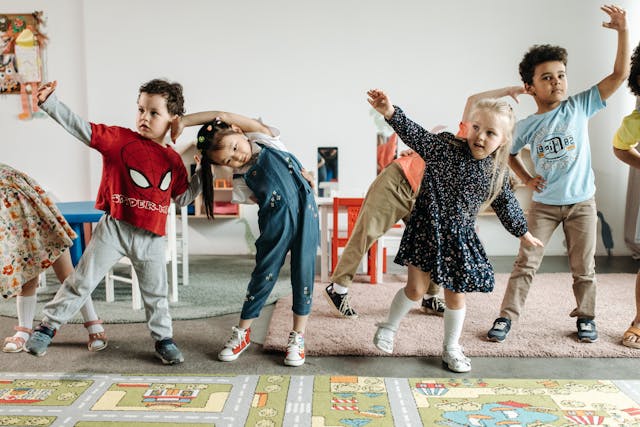
Choosing the right toddler classroom is a major milestone for families in Bergen County. Toddlers are curious, rapidly growing, and building the foundation for social, emotional, and cognitive development. That’s why the classroom environment matters—it isn’t just a room full of toys. A high-quality toddler classroom is intentionally designed to encourage exploration, independence, communication, and confidence.
At Paramus Daycare (Jumpin’ Jax), we want to help parents understand why top-tier toddler rooms look the way they do. When you walk into a toddler classroom, every detail—from where the shelves sit to how the teachers interact—should reflect best practices in early childhood education.
Below, you’ll learn what to look for when evaluating toddler programs and how these elements support your child’s growth.
A High-Quality Toddler Classroom Is Designed for Independence
Toddlers want to explore. A well-designed classroom supports this by allowing children to move freely and safely. You’ll notice:
- Child-Height Shelves: Easily accessible storage systems that encourages independence, responsibility, and inclusion.
- Clearly Defined Learning Areas: Toys and learning materials that engage different types of play, like dramatic, blocks, art, and sensory.
- Toddler Sized Chairs & Furniture: Furiture and other classroom tools should support growth and development by being functional.
- Safety Measures: Things from soft floors to clear walkways allows toddlers to grow their confidence trying new things while being safe.
This layout isn’t accidental. It gives toddlers a sense of ownership over their space, helps them make choices, and builds early executive-function skills. A room that looks “busy but organized” is a good sign—it means children can engage independently without chaos.
Purposeful Materials That Promote Learning
High-quality toddler classrooms don’t overload children with random toys. Instead, the materials are:
- Open-ended: blocks, pretend food, scarves, stacking cups.
- Natural or Realistic: learning materials and tools should be age-appropriate and inclusive.
- Rotated Regularly: this spark new interest and encourages exploration.
- Displayed Clearly & Neatly: helps toddlers know where things belong, this structure promotes accountability through routine.
Each material has a purpose—supporting fine motor skills, language development, pretend play, or problem-solving. When everything in the room is intentional, the learning opportunities multiply.
We invite you to schedule a tour of our Bergen County preschool to see our classrooms and learning centers in action!
Teachers Who Facilitate, Not Dictate
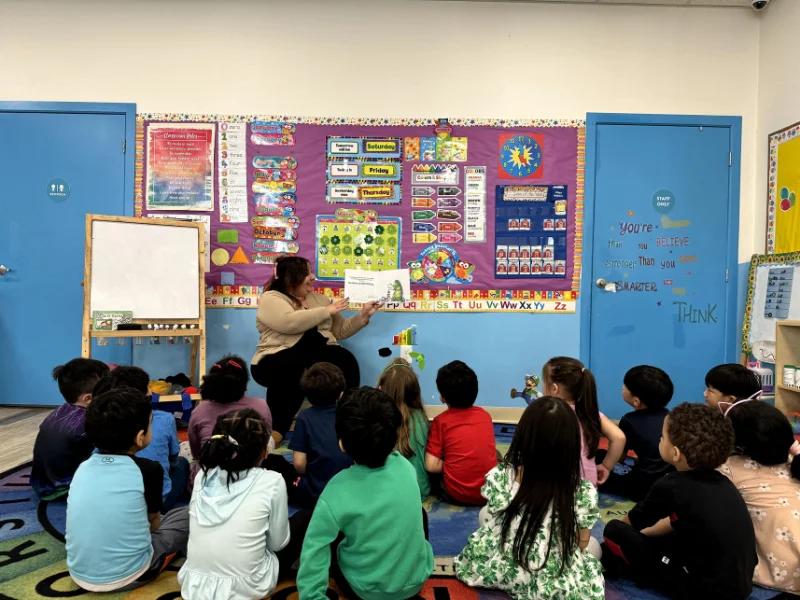
A high-quality toddler classroom isn’t teacher-led; it’s teacher-guided.
In a strong program, you’ll see educators:
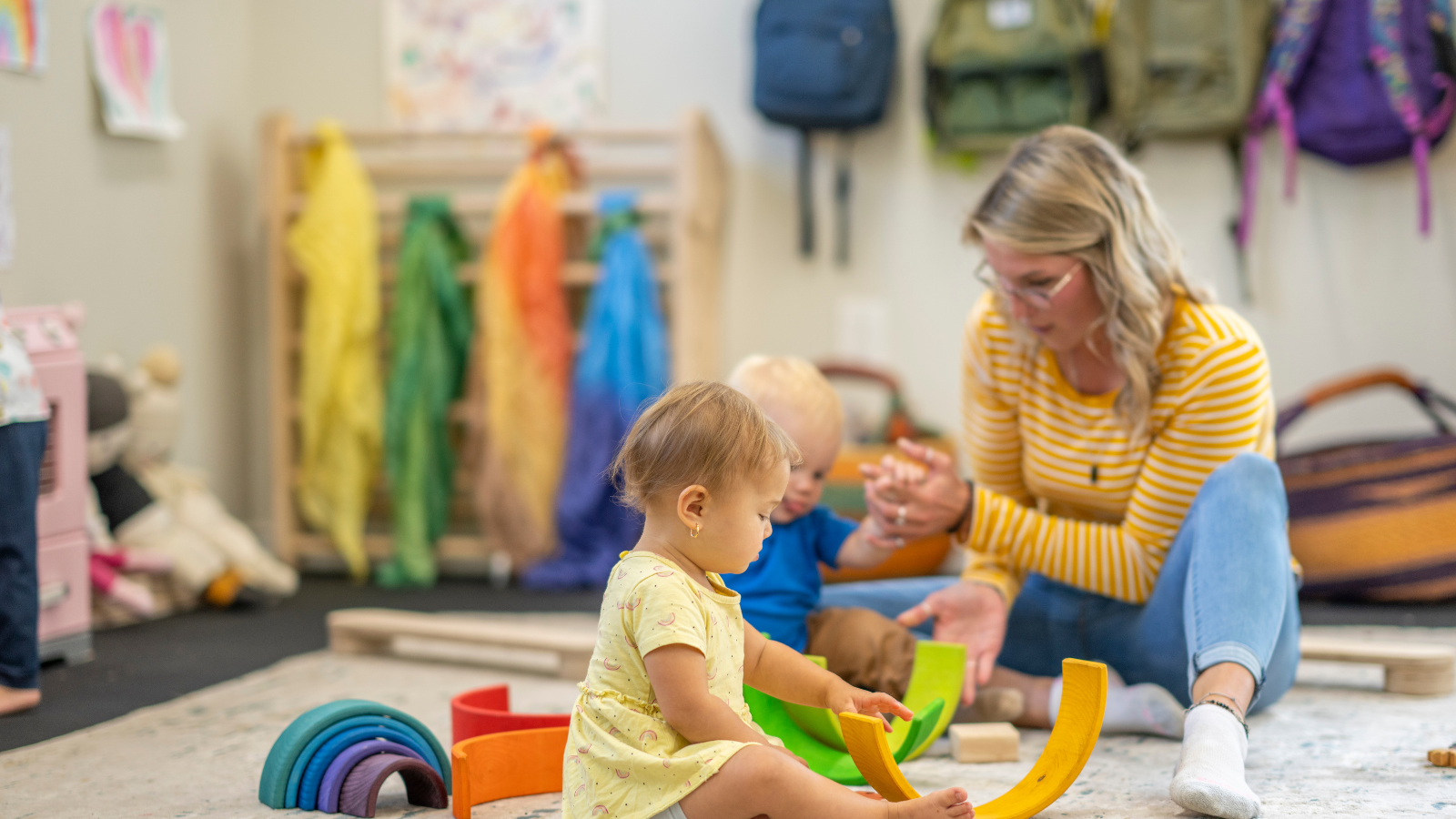
- Sitting on the floor at the children’s level
- Narrating play to build language
- Modeling emotional regulation
- Asking open-ended questions
- Guiding conflict resolution calmly
- Encouraging—but not forcing—participation
This approach helps toddlers develop confidence, vocabulary, self-control, and empathy. When you observe a class, pay attention to tone, warmth, and responsiveness. These behaviors matter more than any fancy toy.
Ready to See the Difference in Person?
Don’t just read about our high-quality toddler classrooms—experience it! We highly recommend every prospective family come in for a consultation and facility tour. Call us today at (201) 500-2951 or visit our website to secure your spot!
A Predictable, Toddler-Friendly Routine
Toddlers thrive on consistency. A high-quality classroom will have a posted schedule with:
- Free play
- Circle time
- Outdoor play (weather permitting)
- Meals and snacks
- Rest time
- Small-group activities
This routine reduces anxiety and builds independence. A good toddler classroom will also be flexible—if the children are deeply engaged in a learning moment, great teachers follow their lead.
Clean, Safe, and Inviting Spaces
Safety matters, but the goal isn’t to restrict toddlers—it’s to support safe exploration.
Look for:
- Clean, sanitized surfaces
- Outlets covered
- Furniture anchored
- Age-appropriate toys
- Clear sightlines so teachers can supervise
A high-quality toddler classroom is neither sterile nor messy—it’s well-loved and well-maintained. Seeing these practices in action on a Paramus Daycare tour is the best way to understand how the environment functions!
A Strong Emphasis on Social and Emotional Learning
Toddlerhood is full of big feelings. A great classroom includes:
- Emotion posters
- Cozy corners
- Books about friendship, sharing, and kindness
- Teachers who label emotions (“You’re feeling frustrated because it’s not your turn yet.”)
This helps toddlers learn to express themselves, navigate social situations, and feel seen and supported.
Why Our Toddler Classrooms at Paramus Daycare Stand Out
At Paramus Daycare, our toddler classrooms are built around best practices that support every aspect of early development. We design every area with purpose—and we encourage parents to see this in action.
Want to dive deeper into age-specific preparation? Explore our What to Pack for Daycare guide.
Curious about value, tuition, and what quality looks like across Bergen County? Visit our Daycare Cost Breakdown page.
We believe parents deserve transparency—which is why we open our doors to you.
Ready to See a Real Toddler Classroom in Action?
Nothing compares to visiting during the school day and watching toddlers learn, explore, and grow.
Come observe a real toddler class in session at Paramus Daycare.
Schedule your visit today and experience the difference purposeful design—and nurturing teachers—can make. You’ll be able to walk through our classrooms, meet our educators, and see our safety protocols in action.
Call Paramus Daycare at JJ Paramus Day Care right now at (201) 500-2951 or visit our Paramus Daycare website to book your tour!
Other Helpful Resources: Learn about how our daycare practices align with your toddler’s developmental milestones.