The science behind play-based learning
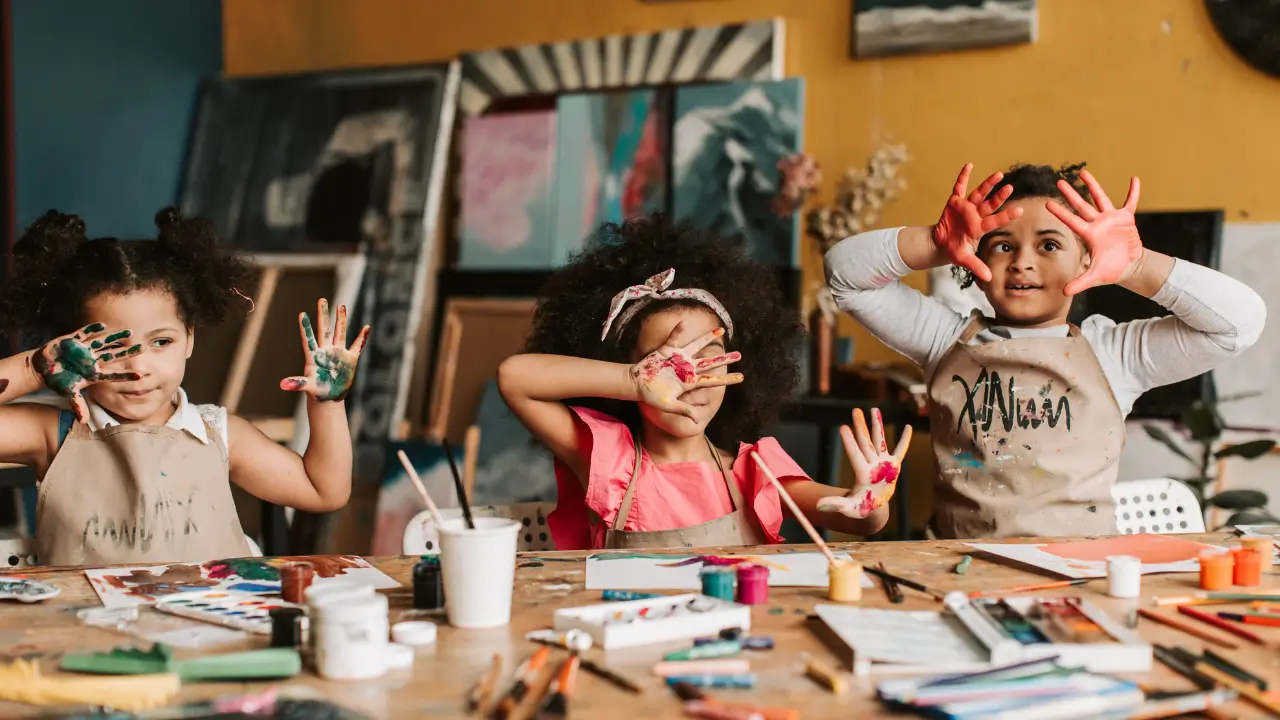
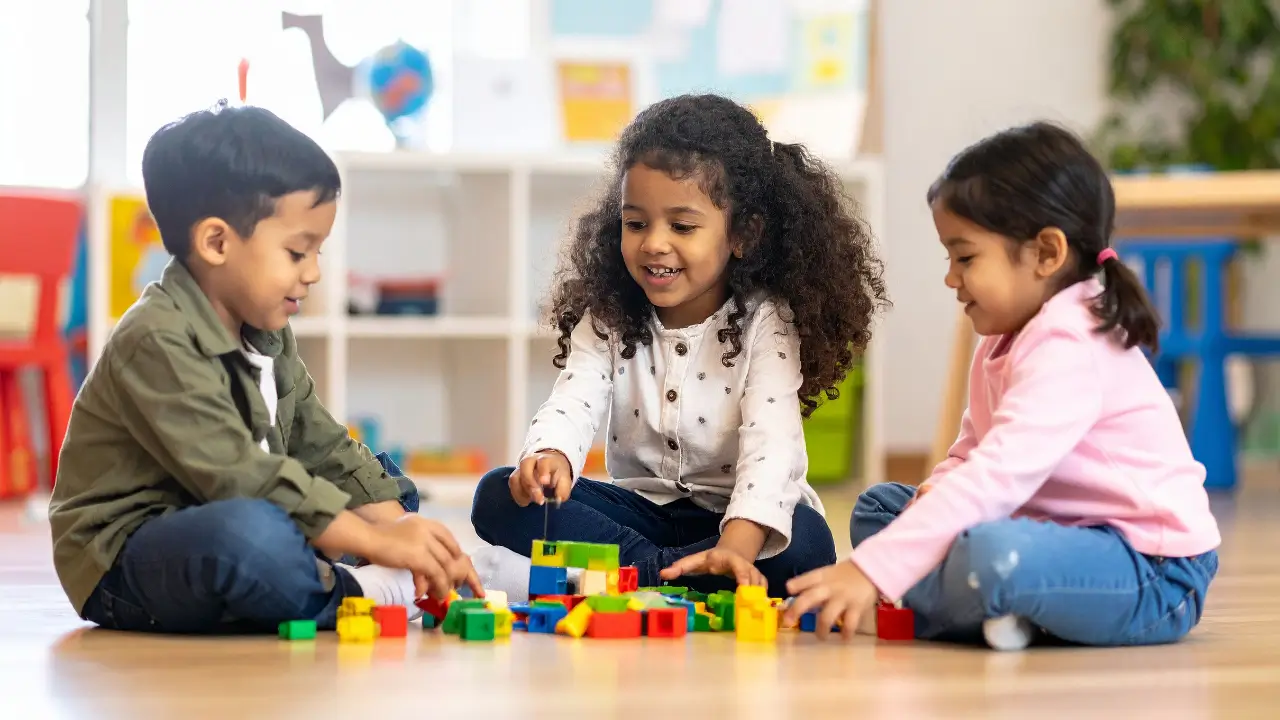
Preschoolers learn best when they direct their own discoveries, turning blocks into buildings or dolls into family stories. Play-based learning benefits include stronger problem-solving, as children experiment with cause and effect during free play, and improved language skills from negotiating roles in pretend scenarios.
Research from early childhood experts highlights how play activates brain regions for creativity and empathy, outperforming rote activities for long-term retention. In busy Paramus families, this approach fits home life, using everyday toys to spark growth without added pressure.
At centers like Paramus Daycare at Jumpin Jax, teachers observe and extend play, turning a simple block tower into a math or engineering lesson seamlessly.
Key play-based learning benefits for development
Play isn’t recess—it’s the foundation of school readiness. These play-based learning benefits emerge across domains, making it ideal for holistic growth.
- Cognitive growth: Sorting toys by color or size builds early math concepts; puzzles enhance spatial reasoning and persistence.
- Social-emotional skills: Sharing sandbox tools teaches compromise; role-play helps process emotions like frustration or joy.
- Physical development: Climbing frames strengthen muscles; fine motor play with playdough preps hands for writing.
- Creativity and imagination: Open-ended props like scarves or boxes inspire storytelling, fostering innovative thinking.
Parents see these play-based learning benefits at home by providing loose parts—cardboard, fabric scraps—for child-led adventures, much like classroom setups.
Wondering how play-based learning benefits your child? Schedule a tour at Paramus Daycare at Jumpin Jax to watch structured play in action and chat with teachers about daily magic.
Everyday play ideas to try at home
No fancy equipment needed—transform Paramus living rooms or backyards into learning labs with these accessible activities that deliver play-based learning benefits.
| Activity | Materials | Learning Focus |
| Block city building | Wooden blocks, toy cars | Spatial awareness, cooperation |
| Sensory water table | Tubs, cups, sponges, food coloring | Experimentation, hand-eye coordination |
| Dress-up drama | Old clothes, hats, props | Empathy, narrative skills |
| Nature treasure hunt | Baskets, local leaves/rocks | Observation, classification |
| Music makers | Pots, spoons, rice shakers | Rhythm, self-expression |
Rotate weekly to match seasons, like leaf hunts in fall Paramus parks. Pair with books to deepen play-based learning benefits, such as “The Very Hungry Caterpillar” inspiring food-themed pretend play.
Integrating play into preschool programs
Quality preschools amplify play-based learning benefits by offering diverse materials, peer interactions, and gentle guidance. Teachers scaffold play—asking “What happens if…?”—to connect fun to concepts like counting or sharing.
In Paramus preschool programs at Jumpin Jax, daily schedules dedicate prime time to child-initiated play across themed centers (art, dramatic play, science). This mirrors home efforts, easing transitions and reinforcing skills.
Explore preschool activities in Paramus for more inspiration on blending play with early academics.
Why Paramus parents choose play-based care
With rising academic pressures, play-based learning benefits stand out for producing confident, curious kids ready for kindergarten. Paramus Daycare at Jumpin Jax prioritizes this evidence-backed method, blending free play with small-group extensions for balanced days.
Families report fewer tantrums, better focus, and genuine excitement for learning. Ready to experience it?
Contact Paramus Daycare at Jumpin Jax for a personalized tour, program details, or play-based routine tips tailored to your child.