In early childhood, sensory play is a key way kids grow and learn. For parents and teachers, knowing how it works can change how we help young kids. Let’s look at what sensory play is, why it matters, and how it helps babies and toddlers.
At Paramus Daycare, we help every child grow through programs led by certified teachers. Our preschool programs are tailored by age. They include Creative Curriculum, Preschool Language Immersion, Messy Art Education, Music Enrichment, and fun Camp Activities. We serve families in Ridgewood, Oradell, Emerson, and Paramus. Call us at (201) 500-2951 to learn more. We can’t wait to hear from you!
What is Sensory Play?
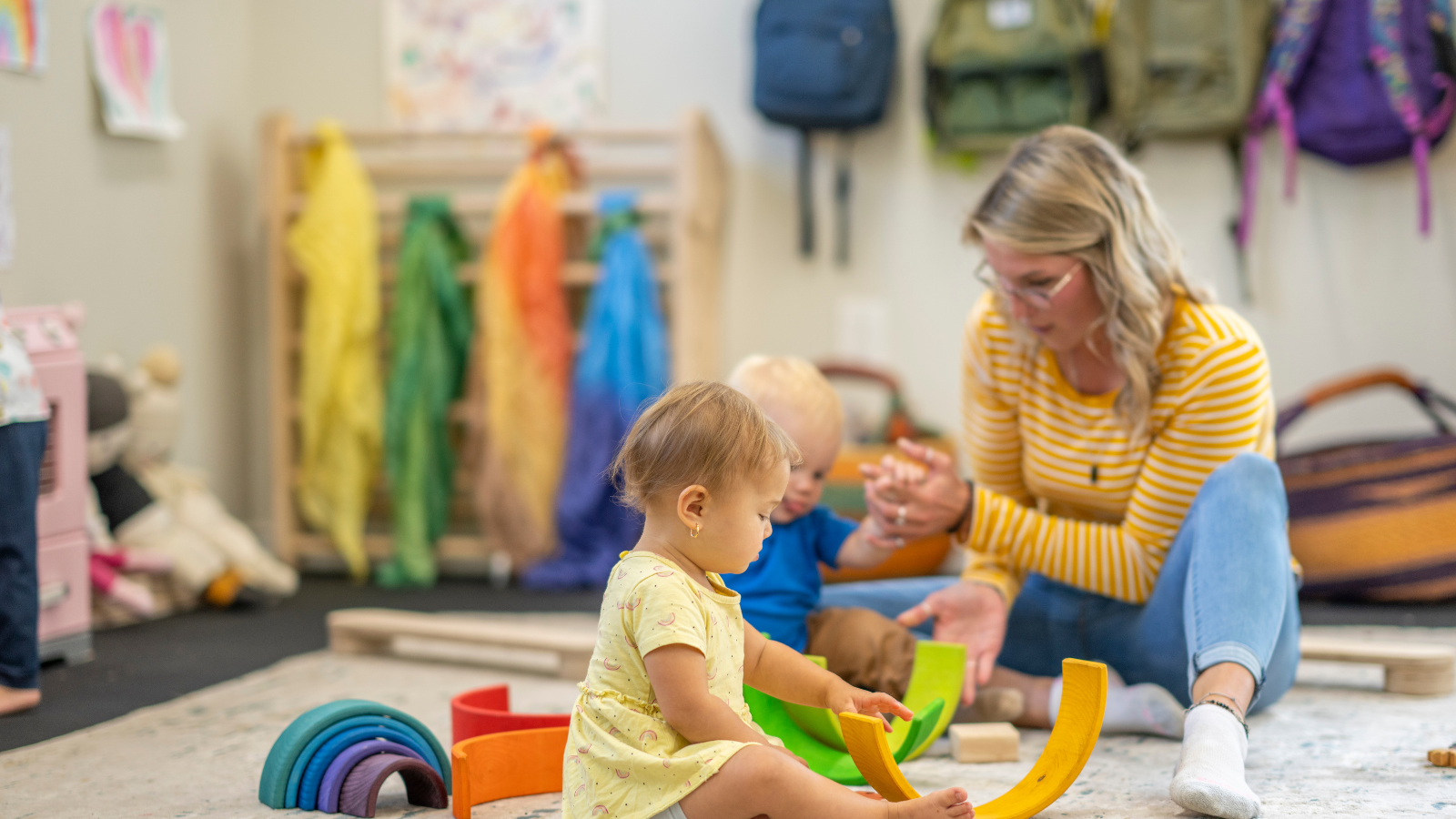
Sensory play uses activities that engage a child’s senses. Those senses are sight, sound, touch, taste, and smell. These activities help kids learn through hands-on play. Often, they use more than one sense at a time. Sensory play can include:
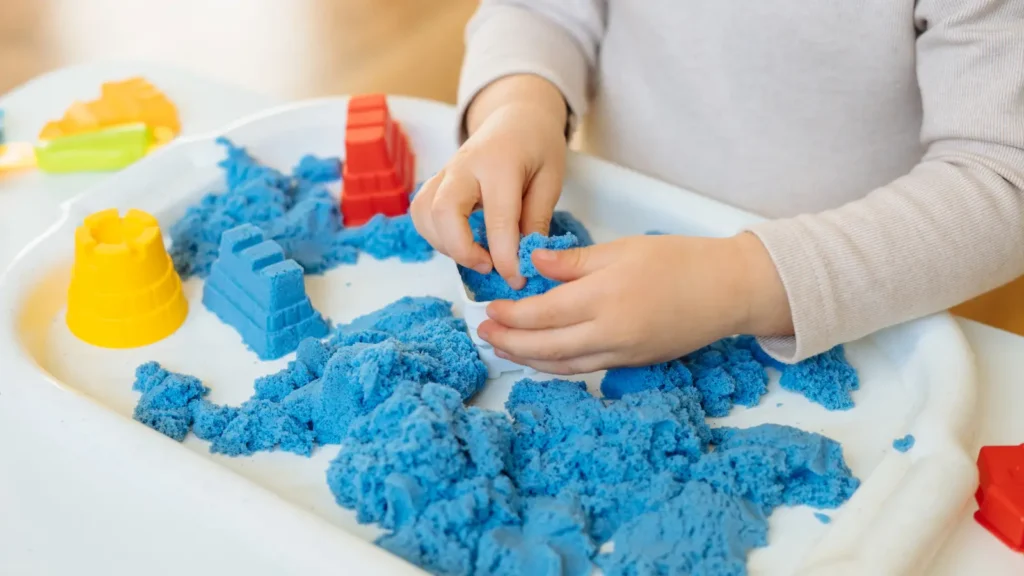
- Tactile Exploration: Playing with sand, water, or playdough to feel new textures.
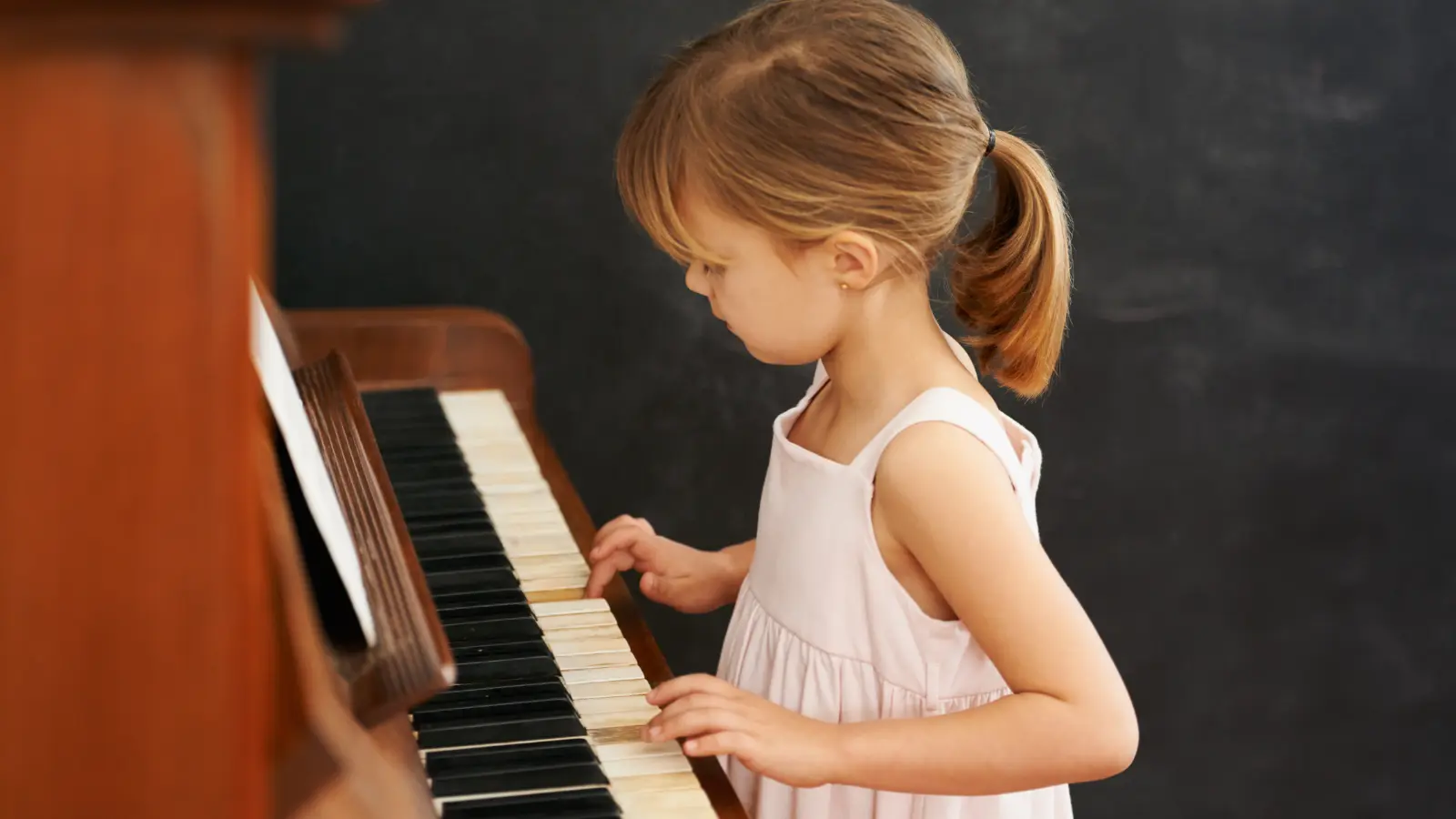
- Auditory Stimulation: Using musical instruments or listening to different sounds.
- Visual Stimulation: Looking at bright colors and shapes through art, light tables, or colored gels.
- Gustatory Experiences: Trying new foods to find new tastes and textures.
- Olfactory Exploration: Smelling scents from flowers or scented items.
The Intention of Sensory Play
Kids learn about the world through their senses, like touch, sight, and hearing. When they explore with their senses, their brains make new links. These links help them know their world. Sensory play also helps with thinking, motor skills, language, and feelings.
The Significance of Sensory Play
Sensory play is more than fun. It’s a key part of how young kids grow. Sensory play helps kids make sense of the world, sparks curiosity, and supports growth in many areas:
The advantages of sensory play for young children
Cognitive Development
Sensory play helps thinking grow. It pushes kids to solve problems, make choices, and think hard. As kids work with new things, they learn to watch, compare, and break down what they see. For example, water play teaches volume and cause and effect. It even shows early science ideas.
Motor Skills Enhancement
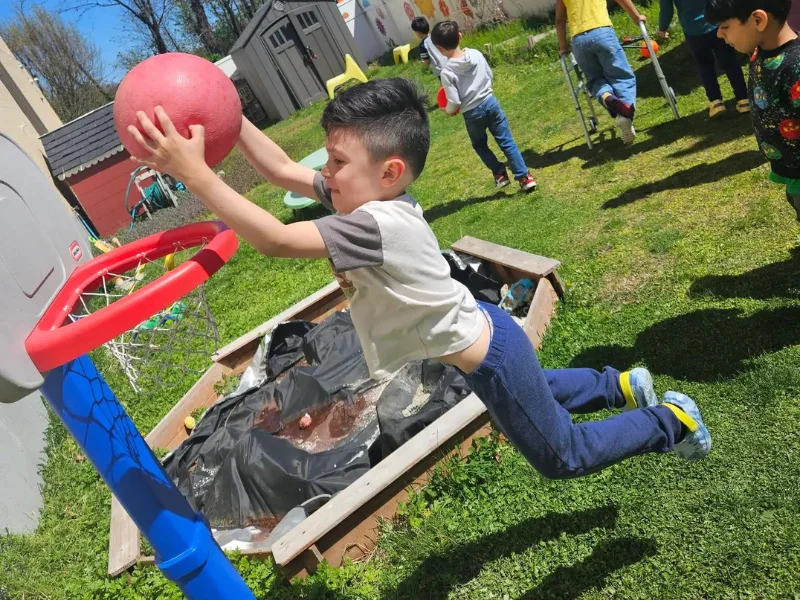
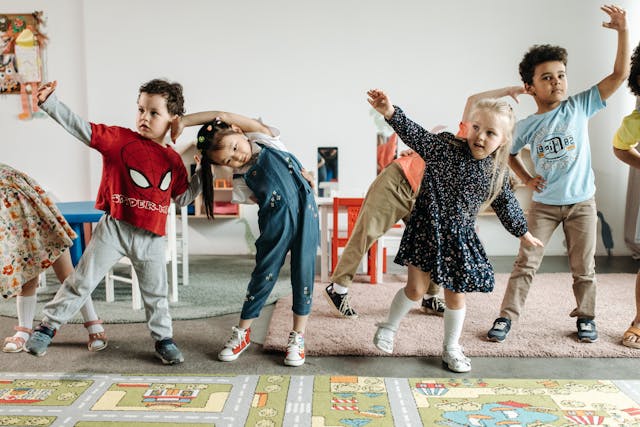
Sensory play builds both small and large motor skills. Squeezing playdough, pouring water, or stringing beads helps with hand-eye work. More active play, like jumping on a trampoline or moving through an obstacle course, builds bigger muscles, balance, and body awareness.
Language Development
Sensory play opens the door to new words. As kids touch, hear, and look at new things, they learn new ideas to talk about. Doing these activities with adults or friends builds talk. Kids ask, share, and follow steps.
Social and Emotional Growth
Social and emotional growth is another big win. When kids do sensory play with others, they learn to share, take turns, and work as a team. Sensory play also lets kids work through feelings. Squishing playdough or hugging a soft toy can soothe big emotions.
Conclusion
Adding sensory play to a baby’s or toddler’s day helps them grow in many ways. When we know why sensory play matters and offer many kinds of it, we build a warm space for learning. Embracing sensory play opens up a world for our kids. It sets the base for a life of curiosity and growth.