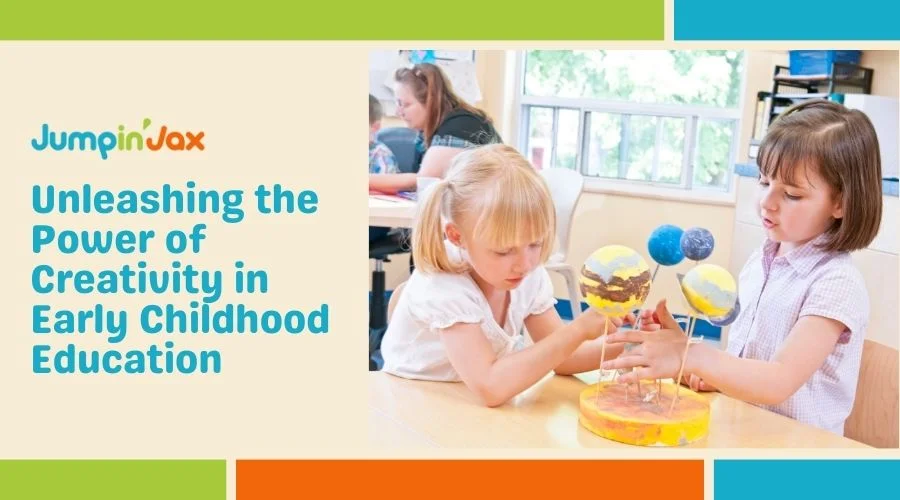
Early childhood education (ECE) sets the stage for a child’s lifelong learning. Basic academic skills will always matter. But more people now see how vital creativity is for young minds. In this article, we’ll look at what creative ECE means, where to find it, and how to bring it into a classroom.
Parents, teachers, and employers all see creativity as a key skill for kids. Still, it can feel hard to pin down. It’s tough to teach in a set way. It’s also hard to measure on a test. A report from Paramus Daycare Learning shows what happens when teachers focus on it. Kids remember more. They solve problems better. They think more clearly, too.
Creative teaching often pairs well with technology. Kids can use it to make slideshows, record videos, and do research. But you don’t need fancy tools to teach this way. Many teachers find smart ways to spark creativity using everyday classroom items.
What is Early Childhood Education with an Emphasis on Creativity?
Creative ECE is an educational approach that puts kids’ creative thinking, imagination, and problem-solving skills first. It moves past memorizing facts. Instead, it lets kids explore, try new things, and express themselves in many ways. The goal is to grow each child’s natural creativity. It also builds a love for learning that lasts a lifetime.
Where Can You Find Early Childhood Education with an Emphasis on Creativity?
You can find creative ECE in many types of schools, including:
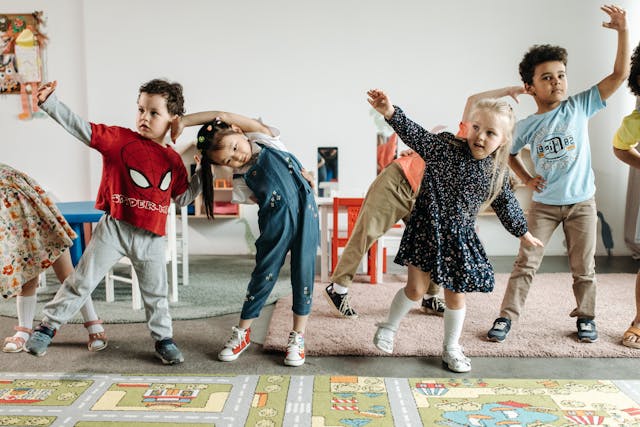
- Progressive Preschools: These schools mix creative tasks into daily lessons. Kids get time for art, pretend play, and hands-on learning.
- Montessori Schools: Montessori schools focus on self-directed learning. Kids choose what to explore and follow their own interests.
- Reggio Emilia Approach: This approach comes from Italy. It values each child’s point of view. Kids share ideas through art, group projects, and teamwork.
- Public and Private Schools: Many public and private schools also see the value of creativity. They build it into their early learning programs.
How to Integrate Creativity into Early Childhood Education
You can bring more creativity into ECE by doing the following:
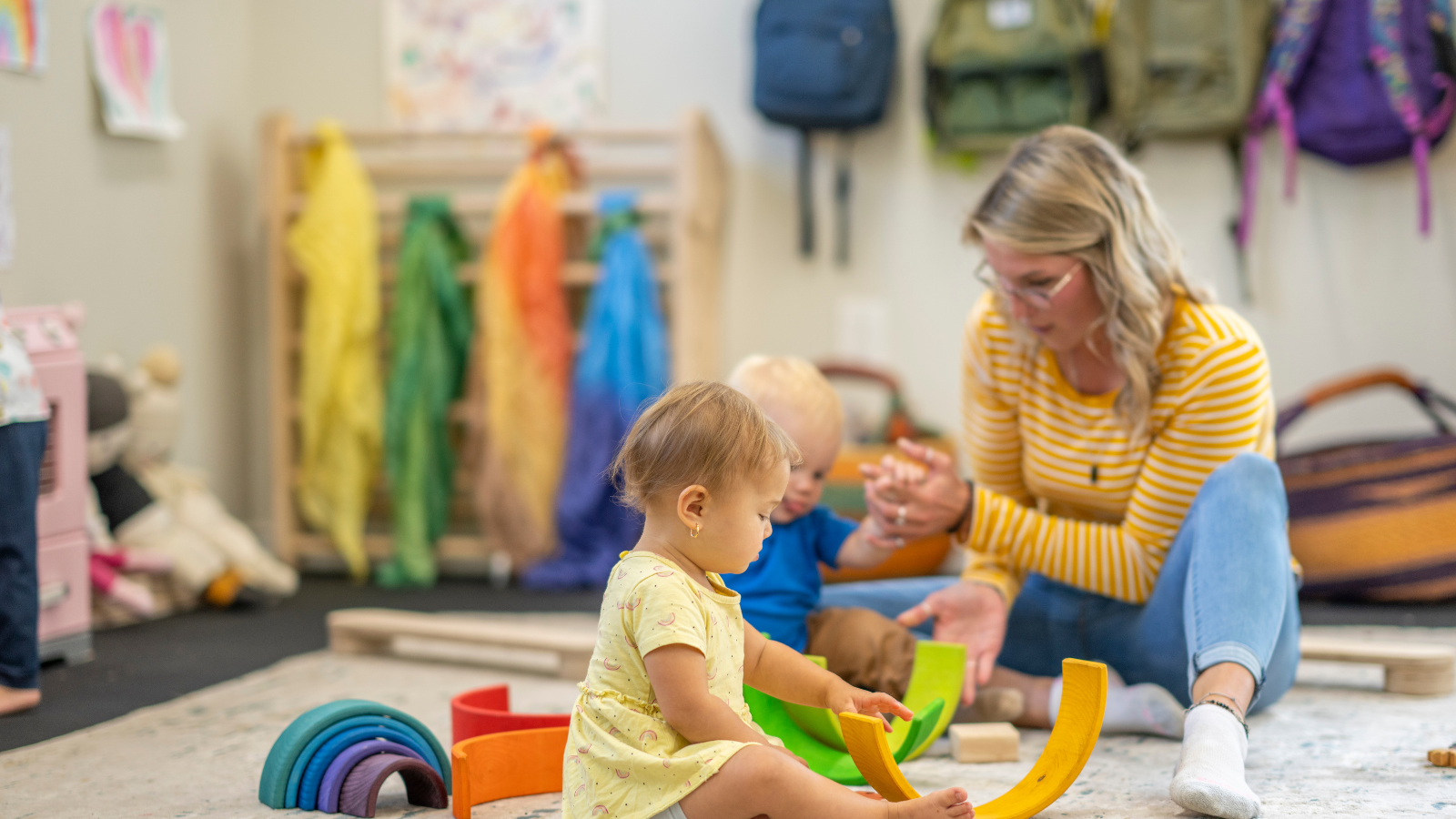
- Provide Open-Ended Materials: Set out art supplies, building blocks, and other simple items. Let kids use them in any way they like.
- Encourage Curiosity: Build a sense of wonder. Let kids ask questions and chase topics they love.
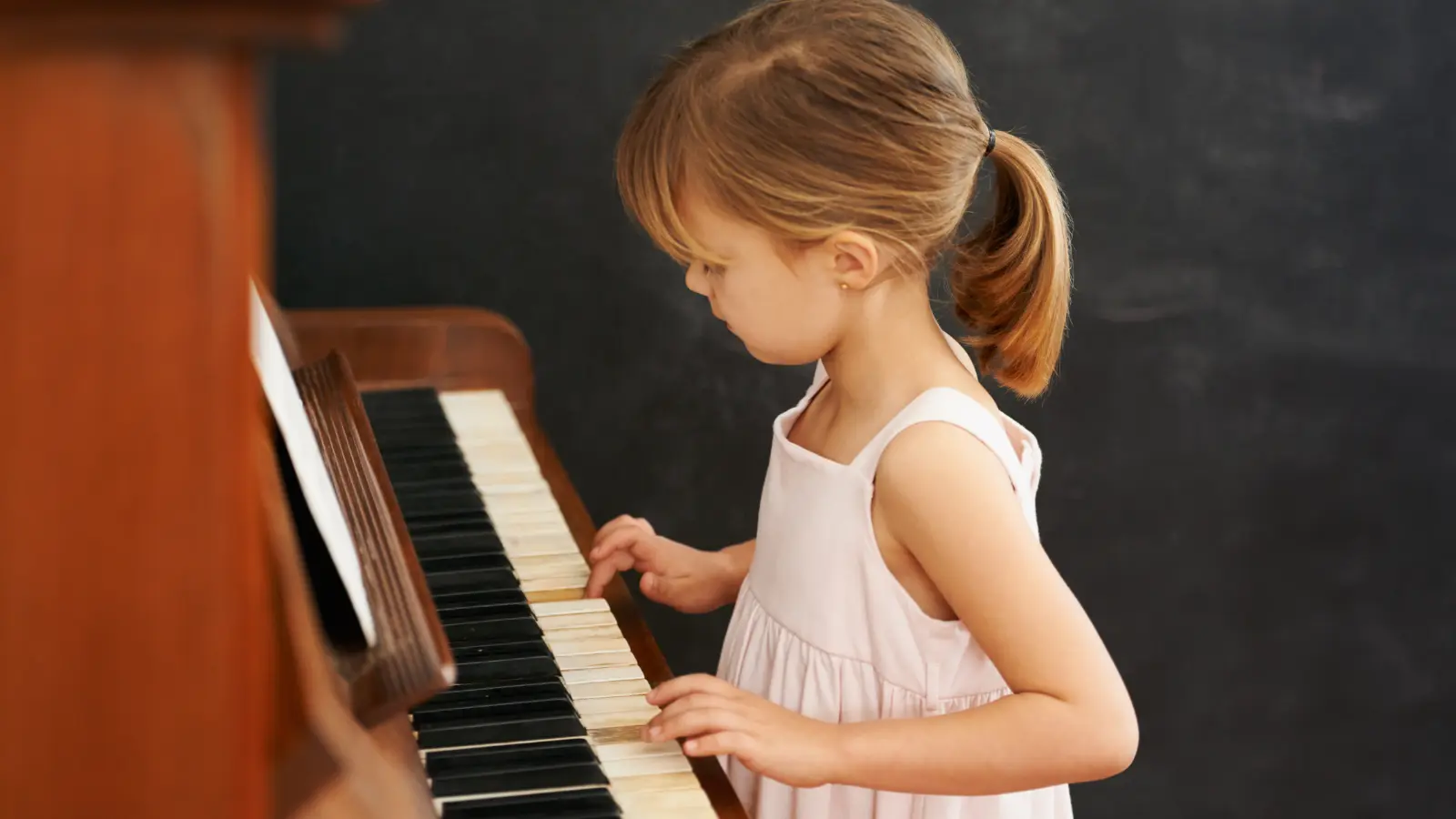
- Embrace Storytelling: Share stories often. Reading and storytelling boost a child’s imagination and language skills.
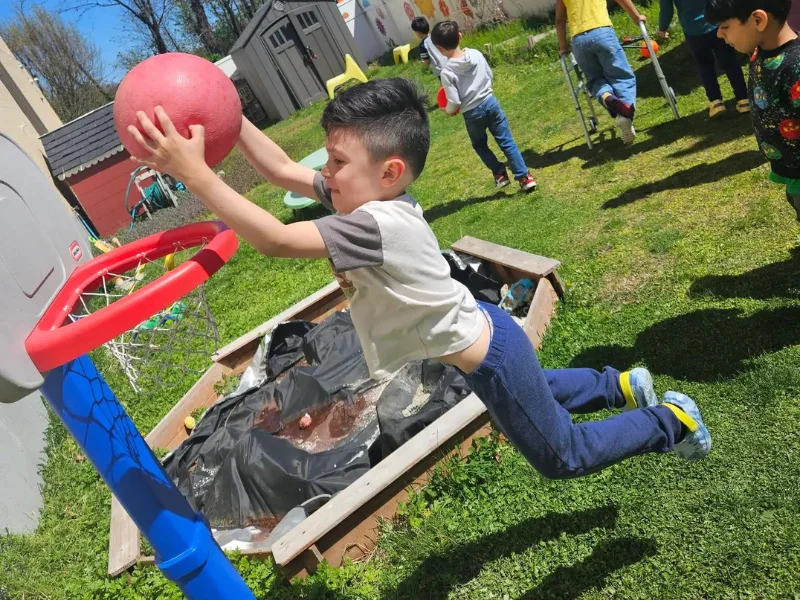
- Allow Unstructured Play: Free play lets kids test ideas, work together, and make up their own games.
Examples of programs that do this well:
- HighScope Educational Research Foundation: HighScope uses active, hands-on learning. Kids take a real role in their own education.
- The Creative Curriculum: This popular plan builds in creative tasks and hands-on work. It helps kids grow their creative side.
Benefits of Emphasizing Creativity in Early Childhood Education
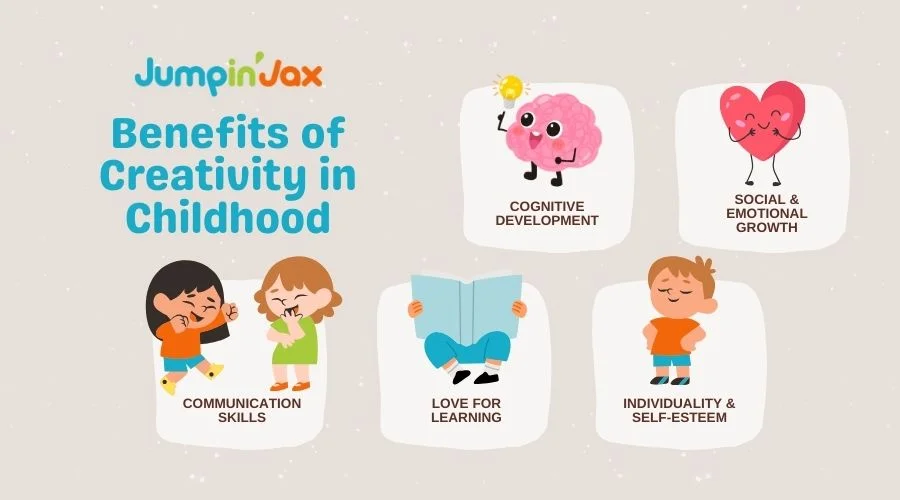
- Cognitive Development: Creativity sharpens problem-solving, critical thinking, and memory.
- Social and Emotional Growth: Creative play helps kids share feelings, manage emotions, and work as a team.
- Communication Skills: Tasks like storytelling and pretend play help kids speak and listen better.
- Love for Learning: A creative start builds a passion for learning that lasts for years.
- Individuality and Self-Esteem: Kids feel proud and sure of themselves when they get to be creative.
Creative early childhood education is a strong way to prepare young learners for a fast-changing world. When we let kids try, make, and invent, we help raise the next group of thinkers, problem solvers, and lifelong learners. Parents and teachers should stand behind this approach. It lets kids use their imaginations. It also gives them a strong start for life. So let’s take this creative path together. The seeds we plant today will grow into something great down the road.