One size does not fit all in early childhood education. Preschool programs need to fit the way toddlers grow. This shapes their learning and their future. In this post, we look at the best preschool curriculum, the top seven preschool programs for 2024, and why an age-right plan matters for kids ages 2 to 3. We focus on key milestones and share activities that build motor skills, language, and social skills.
Parents are welcome to tour our Paramus Preschool to see what we offer as both a preschool and daycare. Our space has indoor and outdoor playgrounds and a cafe with healthy meals. Fresh fruits and veggies are part of every meal, and it’s all in the tuition.
What is the Best Curriculum for Preschool?
The best preschool curriculum is built around the child. It’s flexible and supports every part of how kids grow. A good plan helps with thinking, body, social, and emotional skills. It does this through play, hands-on tasks, and clear activities.
Plans that focus on exploring, creativity, and problem-solving work best for preschoolers. They mix teacher-led time with child-led play. Kids can learn at their own pace while still hitting key milestones.
7 Best Types of Preschool Programs for 2024
- Montessori Programs: Montessori focuses on self-led learning, hands-on tasks, and group play. It builds independence, sparks curiosity, and respects how each child learns.
- Reggio Emilia Programs: Reggio Emilia sees kids as strong, capable, and resilient. This program puts community and self-expression first. It uses project-based learning.
- Waldorf Programs: Waldorf puts imagination at the center. It uses arts, crafts, music, and movement. The goal is to grow thinking, feelings, and body skills together.
- HighScope Programs: HighScope is built on active learning. Kids’ interests and choices drive the day. It uses key milestones to guide growth.
- Play-Based Programs: These programs see play as the heart of learning. Activities are fun and they build thinking, language, and social skills.
- Emergent Curriculum Programs: These plans bend to fit what kids care about. Teachers watch how kids play and build lessons from there.
- Faith-Based Programs: Faith-based preschools mix faith with school. They blend lessons with values and ethics for families who want that.
Age-Appropriate Curriculum for Toddlers (Ages 2-3)
A toddler program needs to match how kids ages 2 to 3 grow. At this age, kids build motor skills, language, and social awareness fast. A good curriculum supports each of these areas. It does this with activities that fit their stage.
Developmental Milestones for Toddlers:
- Motor Skills: Kids work on big and small muscle skills. Climbing, jumping, drawing, and using small objects build control and coordination.
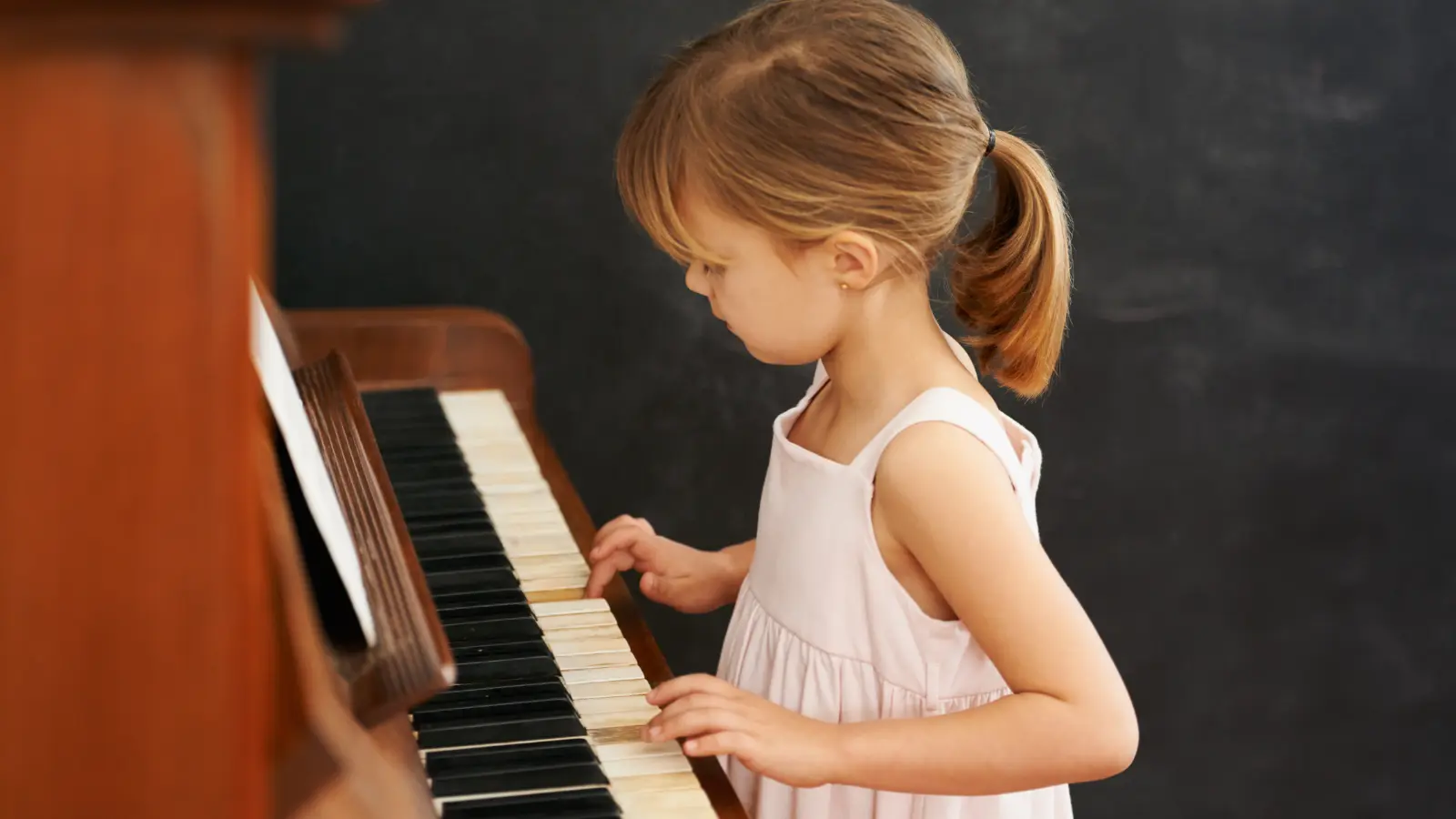
- Language Development: Toddlers learn new words and start to make short sentences. Stories, songs, and play help build language skills.
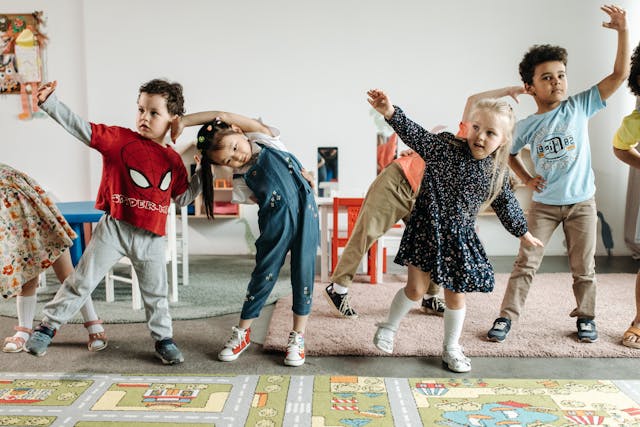
- Socialization: Toddlers start to play with others, share, and read social cues. Group games and pretend play build these skills.
Activities to Support Development:
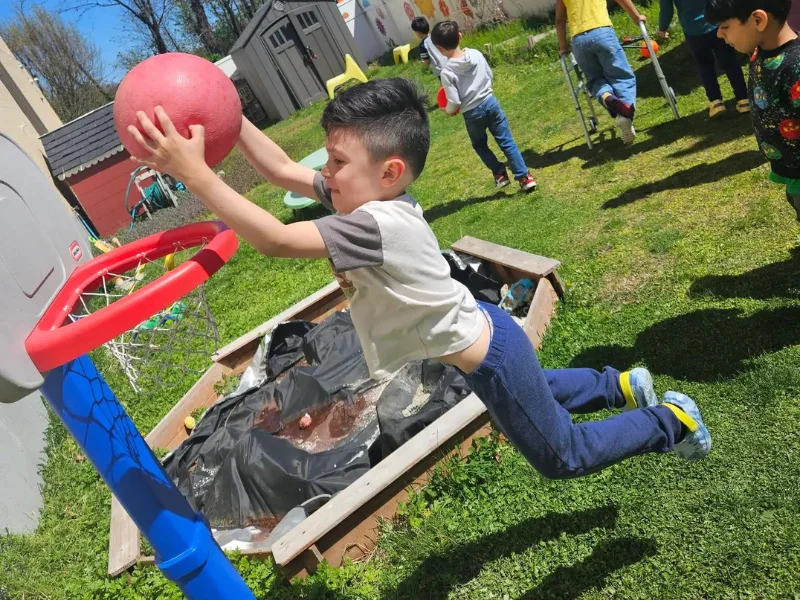
- Motor Skills: Use obstacle courses, balance beams, and playgrounds for big movement. For small motor skills, try playdough, blocks, and finger painting.
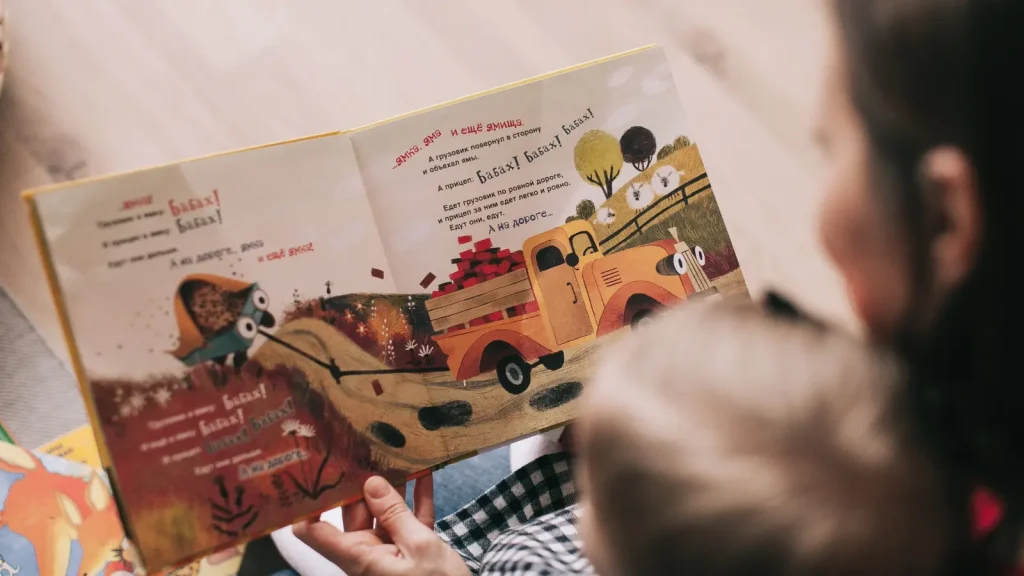
- Language Development: Read books together. Talk every day. Use new words in real moments. Simple games like Simon Says and What’s in the Bag also help.
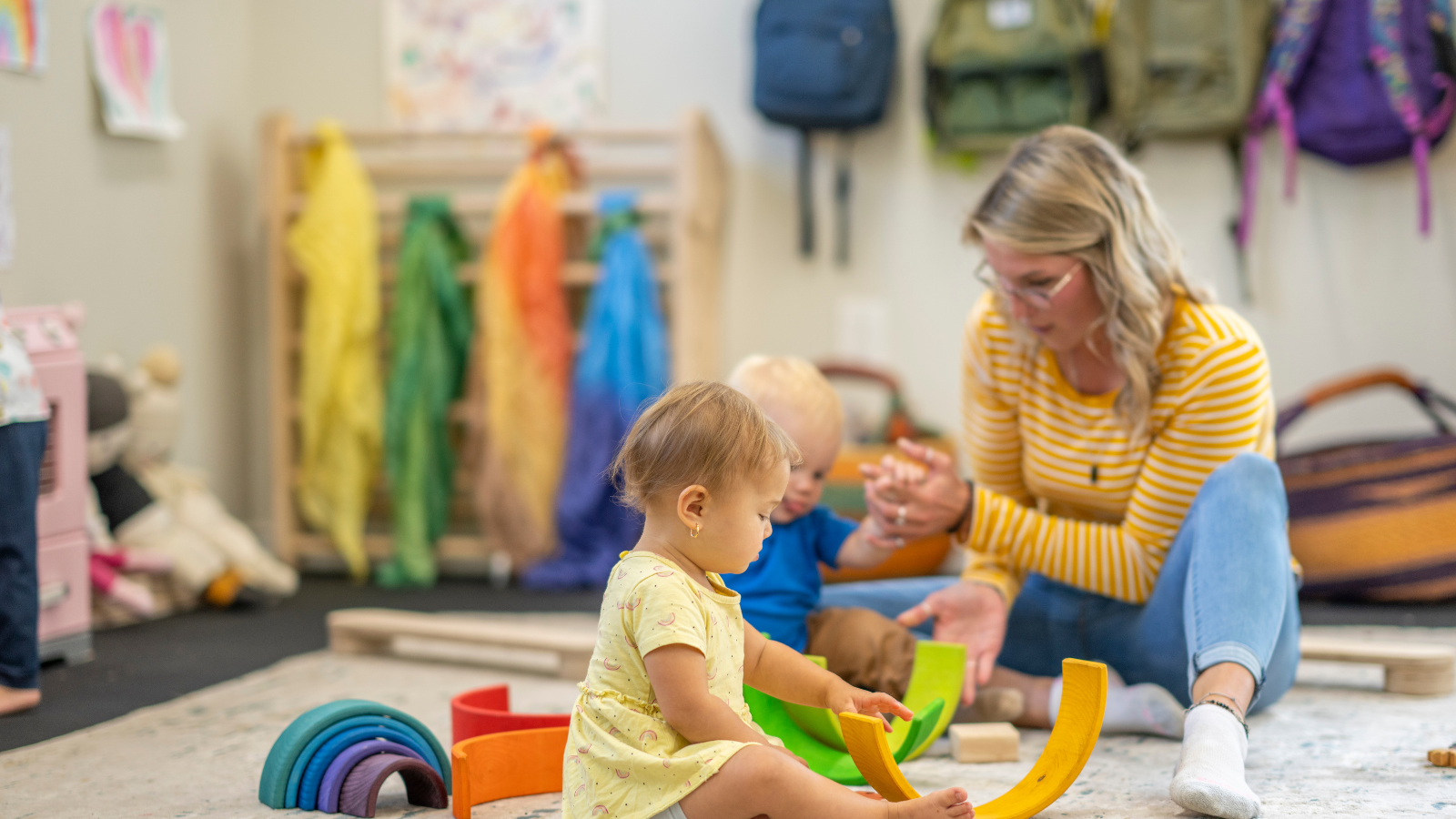
- Socialization: Set up playdates and group story time. Try shared tasks like building a tower or playing with a parachute. Practice taking turns and sharing.
Conclusion
A toddler-fit preschool programs plan helps kids grow well. A flexible plan that hits key milestones sets kids up for life-long learning. With many program types out there, every child can find a fit. Whether it’s Montessori, Waldorf, or play-based, the goal is the same: a warm space where toddlers can thrive.
When we pick the right preschool, we do more than prep kids for kindergarten. We build a base for a life full of curiosity, creativity, and confidence.