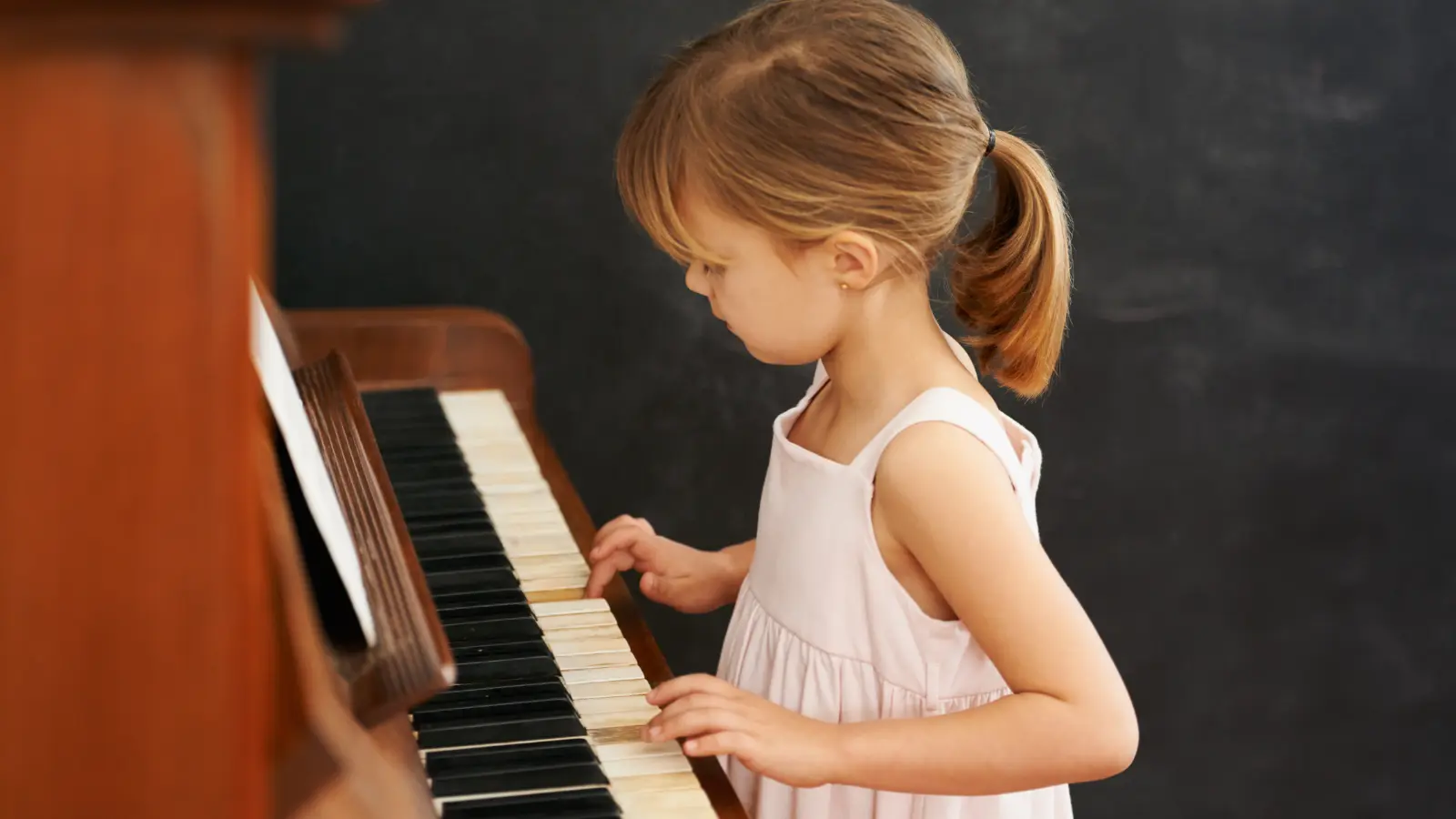

Adding music to the classroom does more than make the day fun. It helps young children grow in real ways. A music enrichment program supports thinking skills, feelings, and how kids relate to others. This post explains how music helps child development. It also shares seven simple ways to bring music into your classroom and tips to help teachers get started.
Visit https://www.paramusdaycare.com/ for more details.
How Music Enhances Child Development
1. Boosts Cognitive Skills
Music helps the brain grow. It builds memory, focus, and problem-solving skills. When kids play instruments or follow musical patterns, they learn to handle new ideas. This can lead to better grades over time.
2. Supports Language Development
Music and language go hand in hand. Singing and listening to songs grow a child’s vocabulary. They also help kids hear sounds in words. Rhythms and melodies make it easier to pick up the way language works.
3. Encourages Emotional Expression
Music gives kids a safe way to share how they feel. It helps them name big emotions and bounce back from tough moments.
4. Fosters Social Interaction
Group music time builds teamwork. Kids learn to listen, share ideas, and work toward a shared goal. They also feel like part of a group.
5. Improves Physical Coordination
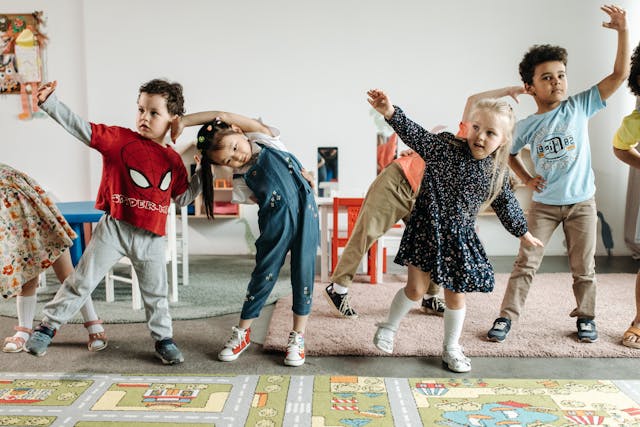
Many music activities use the body. Kids dance, clap, and play instruments. These actions build small and large muscle skills. Over time, this helps with balance and control.
6. Stimulates Creativity
Music sparks the imagination. When kids make up songs or try out instruments, they explore new ideas. This kind of play builds creative thinking.
7. Provides a Structured Routine
Music can shape the day. A song can mark the start of an activity or signal a change. This brings order to the room and helps kids know what comes next.
7 Creative Ways to Integrate Music into the Classroom
1. Morning Music Rituals
Start the day with music. Play a happy song as kids walk in. A short sing-along can set a good mood for the day.
2. Incorporate Music into Lessons
Use music to teach subjects. Make up a song about math facts or history. The tune helps kids remember the lesson.
3. Use Music for Transitions
Pick a song to mark each change in the day. A simple tune can help kids move from one task to the next without fuss.
4. Include Rhythm and Movement
Add drumming or dancing to your lessons. These activities build focus and coordination. They also keep kids engaged.
5. Create a Classroom Band
Form a class band. Let kids try different instruments. Have them make their own songs and play for the group. This builds creativity and teamwork.
6. Sing Educational Songs
Turn lessons into songs. Use a tune to teach math tables or spelling rules. A catchy song sticks in the mind.
7. Celebrate with Music
Use music to mark big moments. A birthday or finished project becomes more fun with a song. These memories last.
Tips for Teachers on Implementing Effective Music Activities
1. Tailor Activities to Age and Developmental Level
Match the music activities to the age of your students. Younger kids do well with simple songs and movements. Older kids can take on bigger projects.
2. Encourage Student Participation
Invite kids to help make music. Let them lead a song or try a new instrument. This builds confidence and keeps them excited.
3. Explore Diverse Music Genres
Play many kinds of music. Different styles open kids up to new sounds and cultures.
4. Create a Positive Musical Environment
Make the room a safe space for music. Cheer on every effort. When kids feel supported, they keep trying.
5. Reflect and Adapt
Check what works and what doesn’t. Listen to what kids say and watch how they respond. Make changes when you need to.
Conclusion
Music enrichment offers more than fun. When teachers add music to daily routines and lessons, kids grow in many ways. They build thinking skills, language, feelings, and social skills. Music brings life to the classroom and helps kids do well at school and beyond. Use music in your room and watch how it makes learning more joyful for every child.