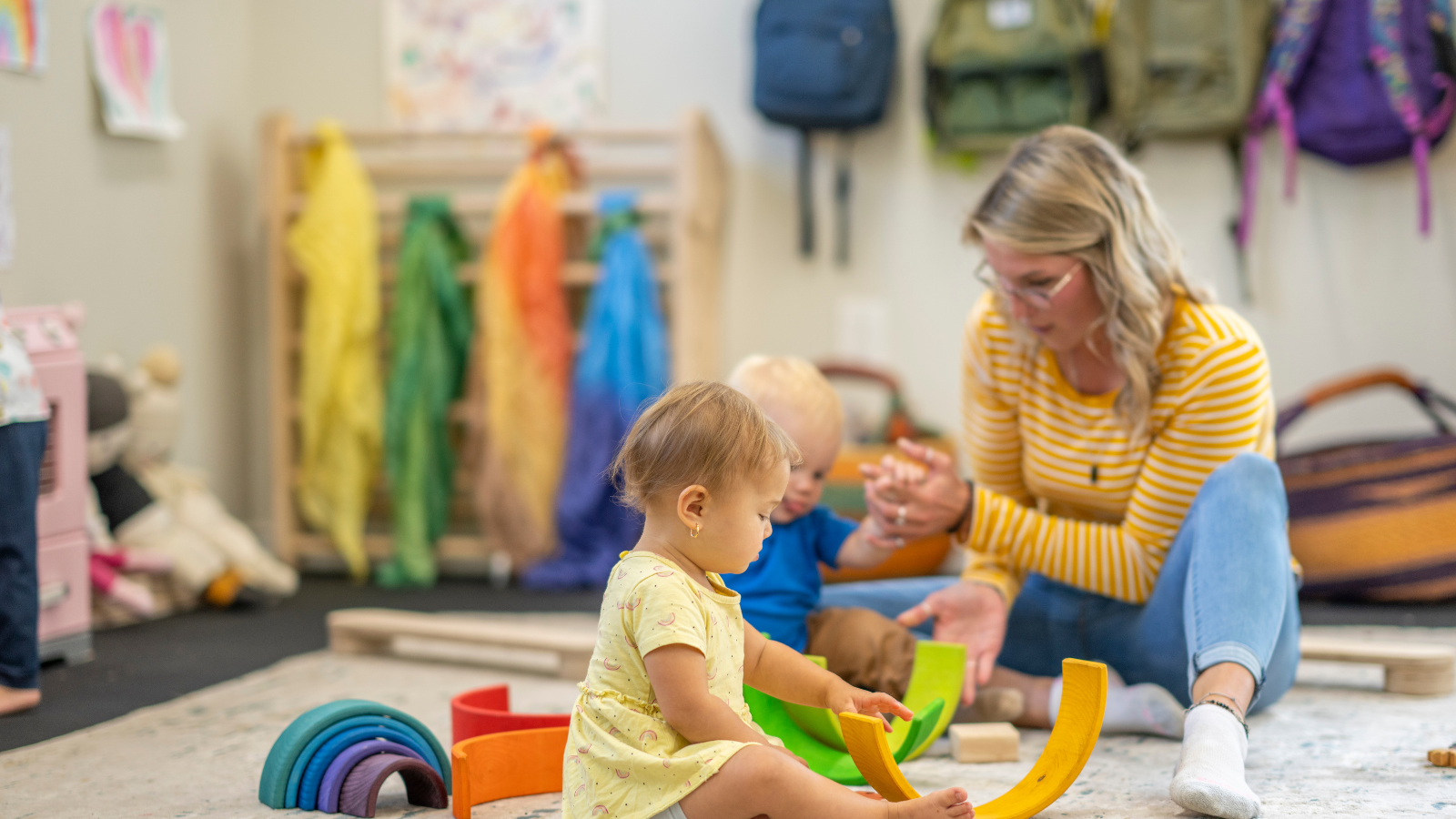
Figuring out what to pack for daycare is one of the smaller hurdles of starting daycare — but the kind that becomes a daily headache if you don’t get it right. The first morning you forget the diapers, you’ll never forget again. The first time your kid has a blowout in the only spare outfit, you’ll triple-pack the rest of the year. After 30+ years caring for Paramus families at JJ Paramus Day Care, we’ve seen every “oops” pack list possible. This checklist walks through the essentials by age group, what’s typically provided versus packed by parents, seasonal additions, and labeling tips that save your sanity.
Provided vs. packed varies by daycare
What gets provided by your daycare versus what you pack varies from program to program — and sometimes from age group to age group within the same program. Always confirm directly with your specific center before assuming. The lists below cover what most NJ centers ask parents to pack and what’s typically provided. Get a written list from your daycare during enrollment.
What to pack for infant daycare
Infants need the most gear — and the most labels. Here’s the daily essentials list:
- Diapers (a stack — usually a week’s supply)
- Wipes (one container or more)
- Diaper rash cream (in a labeled container)
- Bottles, labeled with name and date
- Breast milk or formula (per the program’s storage rules)
- Pacifiers if used (extras — they go missing)
- 2-3 changes of clothes (more during potty/blowout phases)
- Sleep sack or wearable blanket (no loose blankets per safe sleep rules)
- Bibs and burp cloths
- Any specialty feeding supplies (if your baby uses specific bottles or nipples)
- Comfort item if your daycare allows (small lovey, family photo)
- Sun hat for outdoor time
Typically provided in infant rooms
Cribs, sheets, age-appropriate toys, art supplies. Confirm with your specific center.
What to pack for toddler daycare
- Diapers, wipes, diaper cream (or pull-ups if potty training)
- Extra underwear and pants if potty training
- 2-3 changes of clothes (potty training accidents are normal)
- Indoor shoes if required
- Outdoor shoes appropriate for the season
- Sun hat or warm hat per season
- Lovey, blanket, or comfort item for nap time
- Refillable water bottle, labeled
- Sunscreen, labeled (per program rules)
- Small backpack the child can carry themselves (builds independence)
What to pack for preschool and Pre-K
- Backpack with the child’s name labeled
- Change of clothes (kept in cubby in case of accidents or messes)
- Indoor and outdoor shoes if your program separates them
- Refillable water bottle
- Sun hat in summer, warm hat and gloves in winter
- Sunscreen per program policy
- Family photo for cubby (optional but kids love it)

Seasonal pack additions
Summer in Bergen County
Pack sunscreen (the CDC recommends SPF 30 or higher for children), a wide-brim sun hat, swim diapers if water play is on the schedule, and an extra change of clothes that handles water. Bug repellent if your program permits and asks parents to provide.
Fall and spring
Layers. Bergen County weather changes hour to hour in transition seasons. Pack a light jacket, long sleeves, and a backup short-sleeve outfit. Rain jacket or windbreaker for outdoor play.
Winter
Coat, hat, mittens (not gloves — easier for small hands), boots if there’s snow, snow pants for kids who go outside in deep cold. A warm change of indoor clothes if your child arrives wet.
How to label everything (and actually have it stay labeled)
Things go missing in daycare. Labeling is the single highest-impact effort you can make. Here’s how to do it right:
- Iron-on or stick-on name labels for clothes — they survive the wash.
- Sharpie on bottles and lunch containers (refresh monthly — it fades).
- Label both shoes (single labels on one shoe always end up on the foot of a different kid).
- Label the inside of coats and hats — kids put them down anywhere.
- Label the backpack and the lunchbox separately, not just the backpack.
What not to pack
- Toys from home (most centers don’t allow them — they get lost or fought over).
- Foods that are common allergens unless your specific program permits — many have peanut/tree nut bans.
- Loose blankets or pillows in infant rooms (against safe sleep rules).
- Choking hazard items (small toys, hard candies, anything smaller than a bottle cap for under-3s).
- Jewelry or accessories that pose a choking or strangulation risk.
A restocking system that actually works
The hardest part isn’t the first pack — it’s the daily restock. Two systems that work:
- Sunday refresh. Every Sunday night, refill diapers, wipes, spare clothes, and any consumables for the week. One ten-minute window beats five frantic mornings.
- Two-bag system. Keep a backup bag at home with full supplies. When the daycare bag is depleted, you swap and restock the home bag at your leisure.
Frequently asked questions
Provided versus packed varies by program and age group. Confirm with the specific center during enrollment. Get a written list — don’t rely on memory or assumptions.
Many daycares have peanut and tree nut bans due to allergies in the room. Confirm your specific program’s food policy in writing before sending anything containing nuts.
Yes, pack at least 2-3 changes of clothes for younger children. Potty training, art messes, water play, and food spills mean clothes change more often than you think. Keep them in your child’s cubby.
Use a permanent marker on the bottle and the cap with your child’s first and last name plus the date the milk or formula was prepared. Many programs require a date label per safe handling rules.
Yes if your program allows it. A small lovey, blanket, or family photo helps with separation anxiety and nap time. Confirm what’s permitted and label it.
Specifics vary by age group and program. Schedule a tour and we’ll walk through the exact pack list for your child’s room: (201) 500-2951.

Want a personalized pack list for your child’s room?
Every program is a little different. The fastest way to get a clear, accurate pack list for your specific situation is a tour. Schedule a visit at JJ Paramus Day Care or call (201) 500-2951.