Figuring out how to keep kids active and learning during summer break is the question every Bergen County parent wrestles with by the second week of July. The first week of summer feels like vacation. By week three, the screen-time creep starts and the “I’m bored” announcements arrive every twenty minutes. The good news is that keeping kids engaged through summer isn’t about packing the calendar — it’s about a loose routine, the right mix of physical and creative activity, and giving kids enough freedom to be genuinely bored sometimes (because that’s where creativity actually lives). At JJ Paramus Day Care we’ve helped families through 30+ summers, and this guide pulls together what actually works.
Why “summer slide” is real — and why you don’t need to overthink it
Research shows kids can lose academic ground over a long, unstructured summer — particularly in math and reading. But the fix isn’t a worksheet packet. The American Academy of Pediatrics recommends a balance of active play, reading, creative time, and unstructured downtime. For preschoolers and young kids, that usually means daily reading, regular physical activity, and exposure to art and music. You don’t need a curriculum — you need a rhythm.
A loose summer routine that actually works
Kids do better with predictability, even on “unstructured” days. The trick is having a flexible scaffold so the day doesn’t slide into screens. Here’s what works for most preschool and elementary-age kids:
Mornings
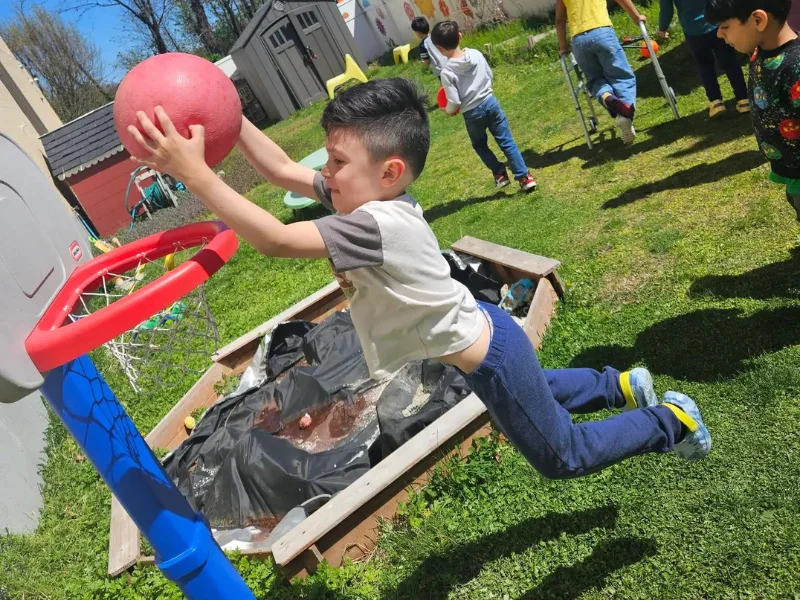
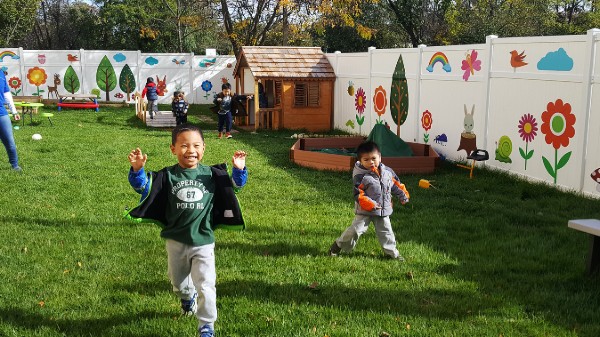
Active and outdoors. Bike rides, the playground, the backyard, a sprinkler, a long walk. Bergen County has plenty of options — Van Saun Park in Paramus, the Saddle River County Park trails, James A. McFaul Environmental Center in Wyckoff. Aim for 60-90 minutes of outdoor time before lunch.
Lunch and quiet time
Eat together if you can. Then 30-60 minutes of quiet time — not screen time. Books, puzzles, drawing, a nap for the younger crowd. This resets everyone’s nervous system and prevents the afternoon meltdown.
Afternoons
Creative or social. Art project, baking, building forts, a visit with a friend, water play. Save screens for one specific block — a 30-minute show after dinner is much easier to manage than open-ended screen time all afternoon.
Evenings
Family time, dinner, bath, books. Consistent bedtimes during summer keep everyone sane. Kids who go to bed at 11 because “it’s summer” are exhausted and dysregulated by August.
Active play ideas for Paramus families
- Visit Van Saun Park’s playground or splash pad.
- Bike or scoot at Overpeck County Park.
- Set up a backyard obstacle course with cones and pool noodles.
- Family sports — kickball, soccer, even a backyard catch.
- Library story time or summer reading program (the Paramus Free Public Library runs one every summer).
- Children’s classes at the local Y or rec center.
- Sprinkler runs, water table play, pool days.
Keeping the learning going without it feeling like school
Read every day
Twenty minutes of reading — together for younger kids, independently for older — keeps reading skills sharp. Public library cards are free; use the Paramus library’s curated kids’ shelves to keep the rotation fresh.
Cook together
Cooking is math, science, and reading rolled into one. Measuring is fractions; baking is chemistry; following a recipe is reading comprehension. Plus, the kid who helped make dinner usually eats it.
Build something
Cardboard, blocks, magnetic tiles, or a real build-it kit teach planning, problem-solving, and persistence. Let kids fail, adjust, and try again. That’s the actual lesson.
Music and art at home
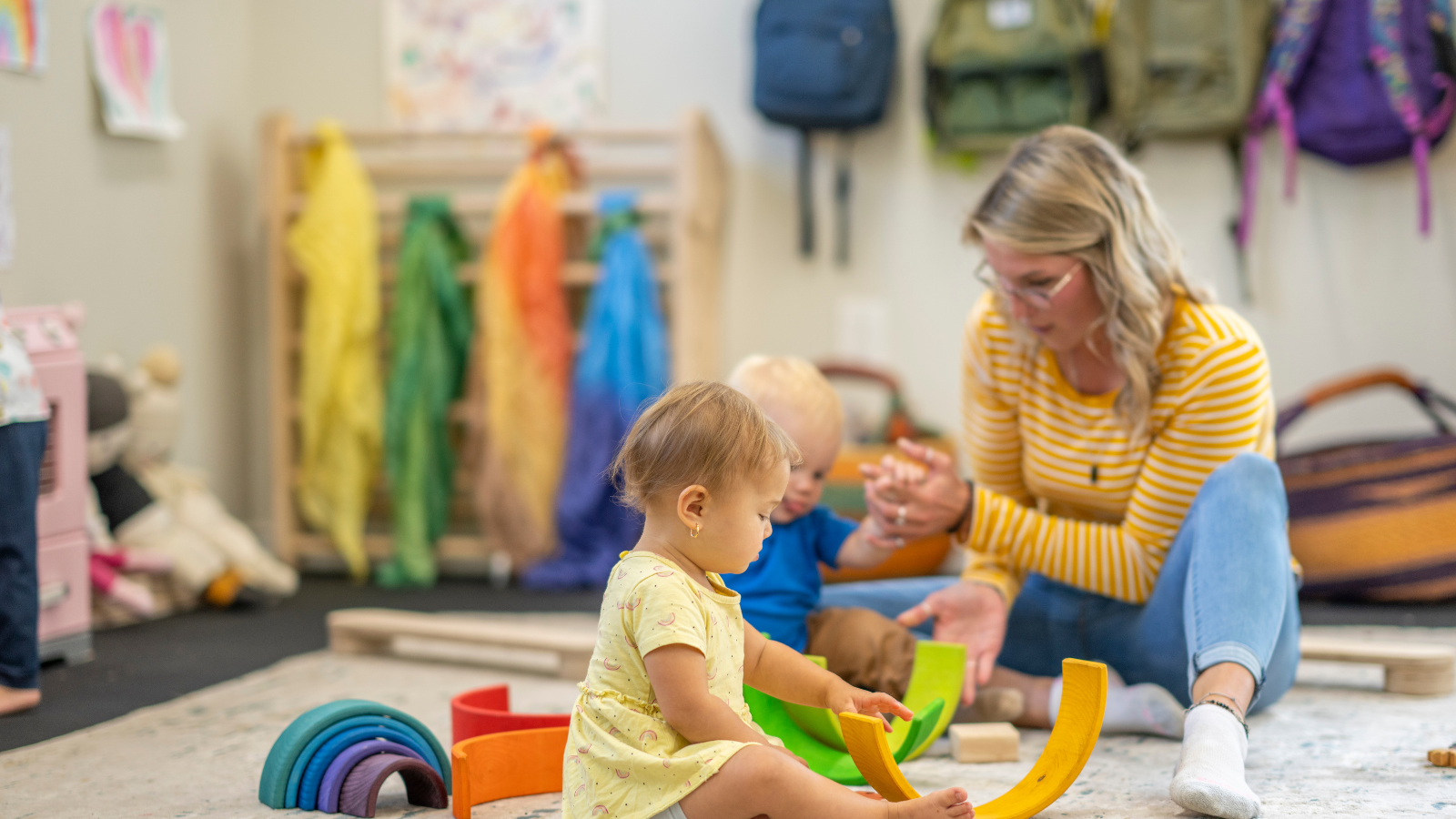
You don’t need expensive supplies — paint, paper, markers, and a Bluetooth speaker do the trick. Kids who get regular creative time develop better focus, fine motor skills, and self-expression.
When summer camp is the right call
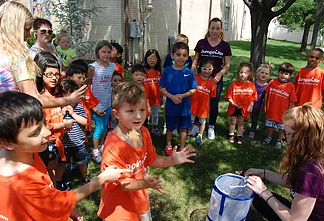
Some Bergen County families piece summer together with a mix of camps, family time, and library programs. Others find that one or two weeks of structured camp resets everyone for the rest of the summer. Summer camp at JJ runs Monday through Friday with 11 themed weeks from late June through early September, half-day or full-day options, and ages 2 through 13 welcome.
Frequently asked questions
Yes, preschoolers need at least 60 minutes of active play daily. The AAP recommends a mix of structured activity (planned games, bike rides) and unstructured outdoor play (running around, exploring) for healthy development.
AAP recommends limiting screen time to about 1 hour per day for kids ages 2-5 and consistent limits for older children. The bigger issue is what screens replace — make sure outdoor play, reading, and family time aren’t getting crowded out.
Twenty minutes of reading aloud per day is a great target for preschoolers. The Paramus Free Public Library runs a summer reading program with prizes — a fun way to keep the routine going.
Yes. Library story times, indoor playspaces, museums in NYC and NJ (Liberty Science Center, NJ Children’s Museum), and structured indoor activities at home. JJ Paramus also runs indoor play during heat advisories.
Yes, especially for preschoolers. Quality camps include reading, music, art, and structured group activities that keep developmental momentum without feeling like school.
Set a consistent daily rhythm with active mornings, quiet midday, creative afternoons, and limited screen blocks. Kids who know what’s next don’t ask for screens as often.
Need backup care this summer?
If you need full-day or half-day coverage during summer, JJ Paramus Day Care‘s summer camp is open for enrollment. Schedule a tour or call (201) 500-2951.